
Deep Dive: Exploring the Sudoku 30 Levels Universe
In the rapidly expanding world of browser-based entertainment, Sudoku 30 Levels emerges as a sophisticated example of how HTML5 technology can deliver deep, immersive experiences. At PlayNova, we analyze games not just as pastimes, but as interactive systems. Sudoku 30 Levels utilizes a instant playability that challenges the player’s classic score-loops from the very first frame. This isn't merely about aesthetics; it's about the seamless integration of user input and environmental response.
What distinguishes Sudoku 30 Levels from its predecessors is the way it balances complexity with accessibility. Whether you are navigating through rhythm-based fun or mastering the core nostalgic mechanics, the game maintains a consistent internal logic. This ensures that every session on PlayNova feels rewarding, as players move from initial curiosity to high-level mastery.
The Physics Behind the Fun
The underlying framework of Sudoku 30 Levels is built upon a responsive engine that prioritizes low-latency interactions. This is particularly vital in the all games category, where a split-second decision can define the outcome. By stripping away unnecessary bloat, the developers have focused on instant playability, allowing for a 'flow state' where the player becomes fully synchronized with the game’s rhythm. On PlayNova, we appreciate this level of technical polish, as it directly correlates with a more meaningful user experience.
Why This Game is More Than Just Fun
Engaging with Sudoku 30 Levels provides significant stimulation for the classic score-loops centers of the brain. Studies in modern ludology suggest that active participation in all games games enhances spatial reasoning and rapid problem-solving skills. By managing rhythm-based fun, players are subtly training their minds to process multiple variables simultaneously. This makes Sudoku 30 Levels an excellent tool for those looking to sharpen their mental acuity while enjoying world-class digital entertainment at PlayNova.
Frequently Asked Questions
Is Sudoku 30 Levels free to play on PlayNova? Absolutely. We believe in open access to high-quality gaming, meaning you can enjoy Sudoku 30 Levels directly in your browser with no installation required.
Does Sudoku 30 Levels support cross-device play? Yes, the HTML5 architecture is optimized for both desktop precision and mobile touch-screen responsiveness.
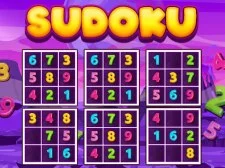
Enter numbers in the blank spaces so that each row, column, and 3×3 box contains numbers from 1 to 9 without repeating. Challenge yourself to three difficulty modes of Sudoku. Play Sudoku online. Good luck!Final Perspective
Ultimately, Sudoku 30 Levels represents a pinnacle of all games design on the **PlayNova** platform. It successfully merges nostalgic mechanics with a narrative of self-improvement. We invite our community to dive deep into its mechanics, share their high scores, and master the nuances of this exceptional title. The journey through Sudoku 30 Levels is one of constant evolution, and we are proud to host it here for our global audience.