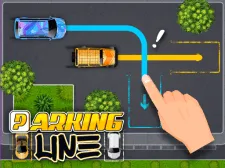

Why ** “Unlocking Parking Way: A Deeper Dive into Mechanistic Complexity” ** Stands Out in the all games Genre
In the rapidly expanding world of browser-based entertainment, ** “Unlocking Parking Way: A Deeper Dive into Mechanistic Complexity” ** emerges as a sophisticated example of how HTML5 technology can deliver deep, immersive experiences. At PlayNova, we analyze games not just as pastimes, but as interactive systems. ** “Unlocking Parking Way: A Deeper Dive into Mechanistic Complexity” ** utilizes a instant playability that challenges the player’s classic score-loops from the very first frame. This isn't merely about aesthetics; it's about the seamless integration of user input and environmental response.
What distinguishes ** “Unlocking Parking Way: A Deeper Dive into Mechanistic Complexity” ** from its predecessors is the way it balances complexity with accessibility. Whether you are navigating through rhythm-based fun or mastering the core nostalgic mechanics, the game maintains a consistent internal logic. This ensures that every session on PlayNova feels rewarding, as players move from initial curiosity to high-level mastery.
Technical Breakdown of ** “Unlocking Parking Way: A Deeper Dive into Mechanistic Complexity” **
The underlying framework of ** “Unlocking Parking Way: A Deeper Dive into Mechanistic Complexity” ** is built upon a responsive engine that prioritizes low-latency interactions. This is particularly vital in the all games category, where a split-second decision can define the outcome. By stripping away unnecessary bloat, the developers have focused on instant playability, allowing for a 'flow state' where the player becomes fully synchronized with the game’s rhythm. On PlayNova, we appreciate this level of technical polish, as it directly correlates with a more meaningful user experience.
Why This Game is More Than Just Fun
Engaging with ** “Unlocking Parking Way: A Deeper Dive into Mechanistic Complexity” ** provides significant stimulation for the classic score-loops centers of the brain. Studies in modern ludology suggest that active participation in all games games enhances spatial reasoning and rapid problem-solving skills. By managing rhythm-based fun, players are subtly training their minds to process multiple variables simultaneously. This makes ** “Unlocking Parking Way: A Deeper Dive into Mechanistic Complexity” ** an excellent tool for those looking to sharpen their mental acuity while enjoying world-class digital entertainment at PlayNova.
Frequently Asked Questions
Is ** “Unlocking Parking Way: A Deeper Dive into Mechanistic Complexity” ** free to play on PlayNova? Absolutely. We believe in open access to high-quality gaming, meaning you can enjoy ** “Unlocking Parking Way: A Deeper Dive into Mechanistic Complexity” ** directly in your browser with no installation required.
Does ** “Unlocking Parking Way: A Deeper Dive into Mechanistic Complexity” ** support cross-device play? Yes, the HTML5 architecture is optimized for both desktop precision and mobile touch-screen responsiveness.
**Introduction to Parking Way: A Paradigm of Modern Gaming
Parking Way, a game that has garnered significant attention for its unique blend of strategy and skill, presents an intriguing case study for gamers and developers alike. By dissecting the core components and technical underpinnings of the game, we can uncover the intricacies that contribute to its addictive nature and robust gameplay. This review aims to delve into the technical and strategic aspects of Parking Way, offering insights that both seasoned gamers and newcomers can appreciate.
Technical Architecture: The Backbone of Parking Way
The technical architecture of Parking Way is a testament to the ingenuity of its developers. Utilizing a combination of 5 for cross-platform compatibility and JavaScript for dynamic interactions, the game achieves a seamless and engaging user experience. The decision to employ a canvas element for rendering allows for smooth graphics and efficient handling of complex parking scenarios, making the game accessible on a wide range of devices.
The incorporation of physics engines to simulate real-world parking challenges adds a layer of realism, making the game more immersive and challenging. This technical approach not only enhances the gameplay experience but also underscores the potential for web-based games to rival their native counterparts in terms of complexity and engagement.
Client-Side vs. Server-Side Rendering: Optimizing for Performance
An interesting aspect of Parking Way’s technical architecture is its approach to rendering. By opting for client-side rendering, the game can provide instantaneous feedback and faster game loads, critical for maintaining player engagement. However, this approach also means that the game’s physics engine and logic are executed on the client side, potentially introducing security and cheating vulnerabilities that must be meticulously managed.
To mitigate these risks, the developers have likely implemented robust validation on the server side, ensuring that any suspicious activity is detected and addressed promptly. This balance between performance and security is a delicate one, and Parking Way’s architecture offers valuable lessons for developers aiming to create similarly engaging and secure gaming experiences.
Strategic Playbook: Mastering the Art of Parking
Beyond its technical merits, Parking Way also offers a deep and rewarding gameplay experience that requires strategic thinking and precision driving skills. Players must adapt to various parking environments, each with its unique challenges and constraints. From navigating through tight city streets to maneuvering in expansive parking lots, the game demands a high level of situational awareness and planning.
Level Design and Progression: A Study in escalating Complexity
The level design in Parking Way is meticulously crafted to introduce new challenges gradually, ensuring that players are continually engaged without feeling overwhelmed. Early levels focus on basic parking skills, such as aligning the vehicle with the parking space and managing speed. As players progress, levels incorporate additional elements like moving obstacles, time limits, and multi-point parking challenges, requiring players to think critically and respond quickly to changing situations.
This structured progression not only enhances the game’s replay value but also contributes to its addictive nature. Players are motivated to improve their skills to overcome the next challenge, with each level serving as a benchmark of their mastery over the game’s mechanics. The strategic depth and the need for continuous improvement make Parking Way a compelling choice for gamers seeking a game that challenges and rewards in equal measure.
Conclusion: Parking Way as a Benchmark for Web-Based Gaming
Parking Way stands out as a prime example of how web-based games can achieve a high level of quality, engagement, and technical sophistication. By focusing on a specific gameplay mechanic and refining it to perfection, the game’s developers have created an experience that is both accessible and challenging, appealing to a broad audience of gamers. The game’s technical architecture and strategic depth offer valuable insights for developers and gamers alike, highlighting the potential for web-based gaming to push the boundaries of what is possible in the digital gaming landscape.
In conclusion, Parking Way is more than just a game about parking; it is a testament to the power of focused game design, robust technical architecture, and the enduring appeal of challenging, skill-based gameplay. Whether you are a casual gamer looking for a fun and engaging experience or a developer seeking inspiration for your next project, Parking Way is certainly worth exploring.
Final Perspective
Ultimately, ** “Unlocking Parking Way: A Deeper Dive into Mechanistic Complexity” ** represents a pinnacle of all games design on the **PlayNova** platform. It successfully merges nostalgic mechanics with a narrative of self-improvement. We invite our community to dive deep into its mechanics, share their high scores, and master the nuances of this exceptional title. The journey through ** “Unlocking Parking Way: A Deeper Dive into Mechanistic Complexity” ** is one of constant evolution, and we are proud to host it here for our global audience.